
Atherosclerosis:
The Silent and Potentially Fatal Risk

Atherosclerosis is a dangerous condition that often remains asymptomatic until it reaches an advanced stage.
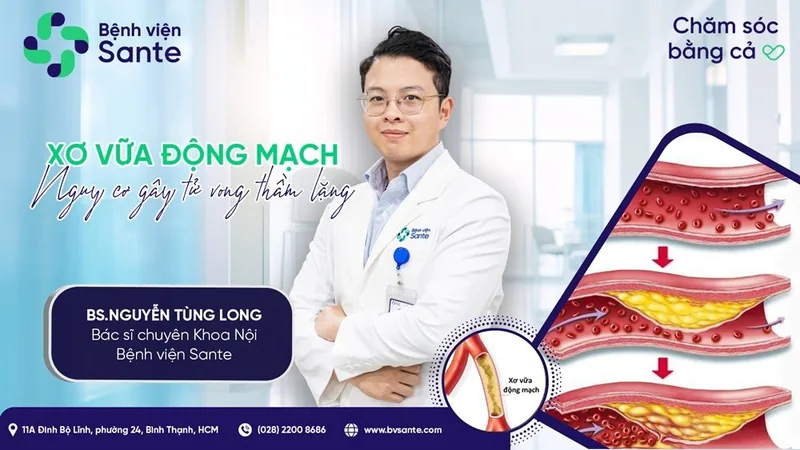
What is atherosclerosis?
Atherosclerosis is an insidious, slowly progressive vascular condition that often begins in early adulthood. Atherosclerotic plaques—predominantly composed of lipids, cholesterol, and cellular debris—accumulate along the arterial tunica intima. Over time, these deposits compromise luminal diameter, diminishing blood perfusion to vital organ systems. Frequently termed a ‘silent killer,’ the disease progresses asymptomatically over decades before manifesting as acute, life-threatening cardiovascular events.
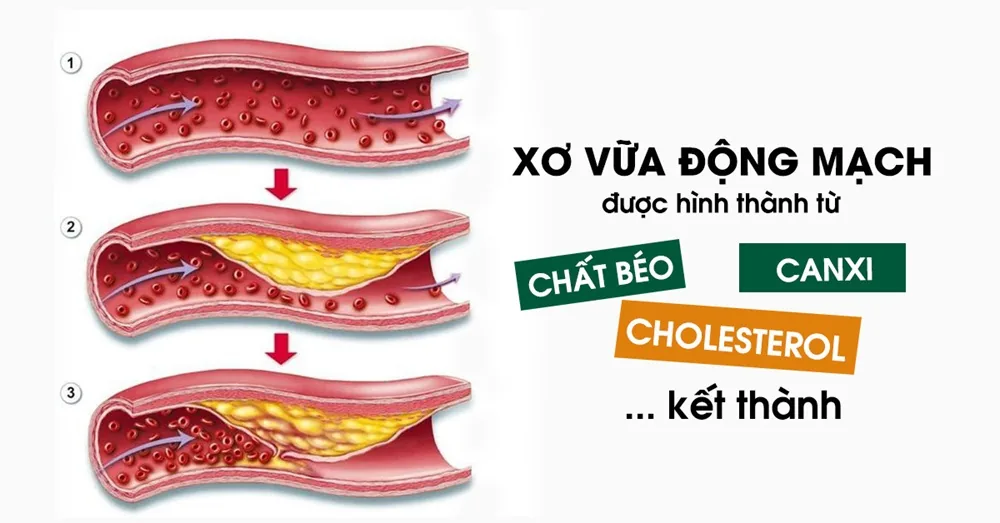
Causes of atherosclerosis
– Over time, the vascular deposition of lipids, cholesterol, and other substances forms atheromatous plaques, luminal narrowing, and hemodynamic compromise. This systemic pathology is designated as atherosclerosis. It can develop across diverse arterial territories—including the carotid, coronary, and lower extremity peripheral beds—precipitating broad ischemic complications. When an atheroma ruptures, acute thrombus formation occludes the pre-existing stenotic lumen. This thrombotic cascade serves as the cardinal driver of acute cardiovascular catastrophes, including acute myocardial infarction, cerebral infarction, and peripheral arterial occlusion.
– Although the multifactorial pathogenesis is complex, robust clinical studies have identified several primary drivers of atherogenesis: advanced age, arterial hypertension, dyslipidemia, hyperglycemia, and tobacco use. The initial trigger of plaque formation is widely recognized as endothelial injury and sustained vascular dysfunction.
Classification and symptoms of the disease
Atherosclerosis The condition remains clinically silent until advanced stenosis or ischemia develops. Diagnosis and classification are typically determined by the anatomical site of arterial involvement.
- Coronary artery atherosclerosis: Causes heart failure and myocardial infarction. Manifestations include prolonged chest pain. crushing-type chest pain radiating to the left shoulder
- Carotid artery atherosclerosis: Causes cerebral infarction (stroke). Symptoms include impaired consciousness, difficulty speaking, and hemiplegia.
- Lower extremity atherosclerosis: Symptom presentation includes intermittent claudication (exertional limb pain), peripheral poikilothermia (cold extremities), muscular atrophy, and epidermal xerosis resulting from compromised arterial perfusion.
Therapeutic Management
Atherosclerosis is a complex chronic condition that requires a long-term treatment approach combining lifestyle modifications, medical management, and in certain cases, surgical intervention.
Medical treatment combined with lifestyle modifications:
-
Exercise regularly to maintain cardiovascular health and adopt a healthy diet, limiting animal fat and saturated fat, and eating plenty of green vegetables and fiber-rich foods.
-
Control blood pressure and diabetes, and treat dyslipidemia (if present)…with medication.
-
Complete smoking cessation
-
Weight loss : target BMI < 25 kg/m2 or a 5-10% reduction of initial body weight if overweight
Intervention through surgical methods:
Carotid endarterectomy, peripheral arterial bypass, coronary artery bypass grafting (CABG), aortic resection and graft replacement… depending on each specific case.
Proactively protect your health with our experienced specialist doctors and advanced medical equipment.
📞 BOOK AN APPOINTMENT NOW: (+84) 28 2200 8686 – (+84) 901 295 399
⏰ Monday – Saturday: Morning 7:30 AM – 12:00 PM, Afternoon 1:30 PM – 5:00 PM | 24/7 Emergency: ((+84) 937 389 539)
💳 Full nationwide health insurance coverage & Direct billing for private insurance accepted
