
Gout: No Longer Exclusively a Disease of Affluence

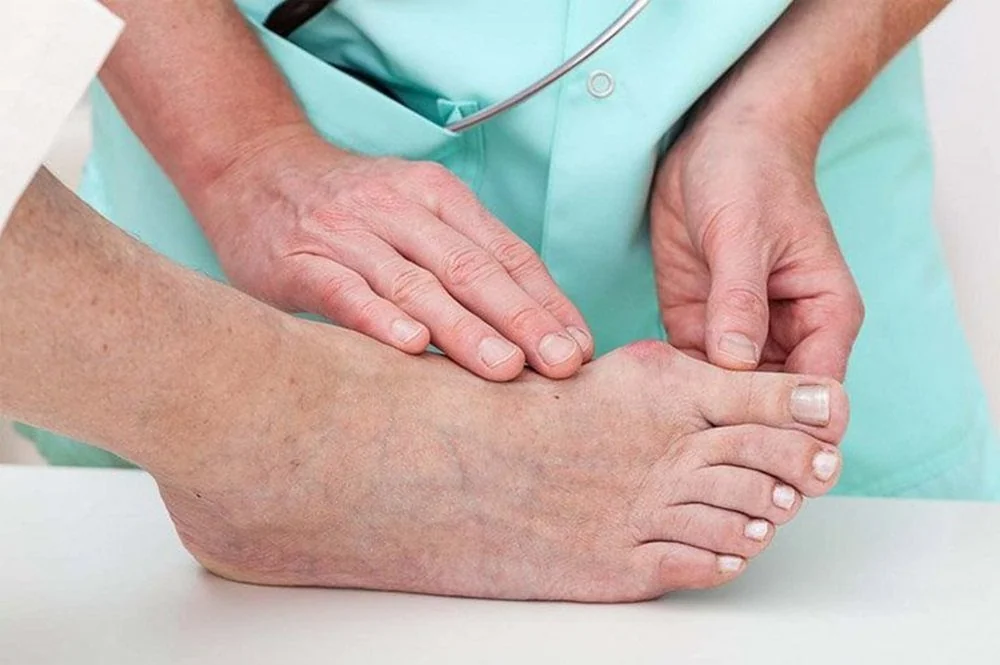
What causes gout?
– Gout is an inflammatory arthritis resulting from a disorder in purine metabolism, leading to hyperuricemia (elevated serum uric acid). The resulting monosodium urate crystal deposition triggers acute episodes of joint swelling and severe pain, most commonly in the toes and fingers. The primary contributing causes include:
- Dietary Regimen: A diet high in purines—such as red meat, organ meats, seafood, and select vegetables—can elevate serum uric acid levels. Alcoholic beverages, particularly beer, represent another major risk factor.
- Genetic factors: Certain individuals possess a genetic predisposition that confers an elevated susceptibility to gout.
- Overweight and obesity: Weight gain imposes increased mechanical load on the joints and may contribute to elevated serum uric acid levels.
- Metabolic disorders: Certain coexisting medical conditions, including hypertension and chronic kidney disease, can heighten the risk of developing gout.
- Use of certain medications: Certain pharmacological agents, notably diuretics, can impair renal uric acid clearance and elevate serum concentrations.
- Dehydration: Insufficient hydration can cause hemoconcentration, thereby raising serum uric acid levels.
- Other contributing factors: Physiologic stress, physical trauma, and surgical procedures can also precipitate or exacerbate acute gout flare-ups.
- Uric acid is an end-stage metabolic byproduct of purine and protein catabolism, sourced exogenously from dietary intake and generated endogenously within the body. Under physiological conditions, uric acid is eliminated primarily via renal clearance and fecal excretion; however, persistent hyperuricemia precipitates the formation of monosodium urate crystals that deposit in connective tissues and synovial joints, triggering inflammation and acute irritation.
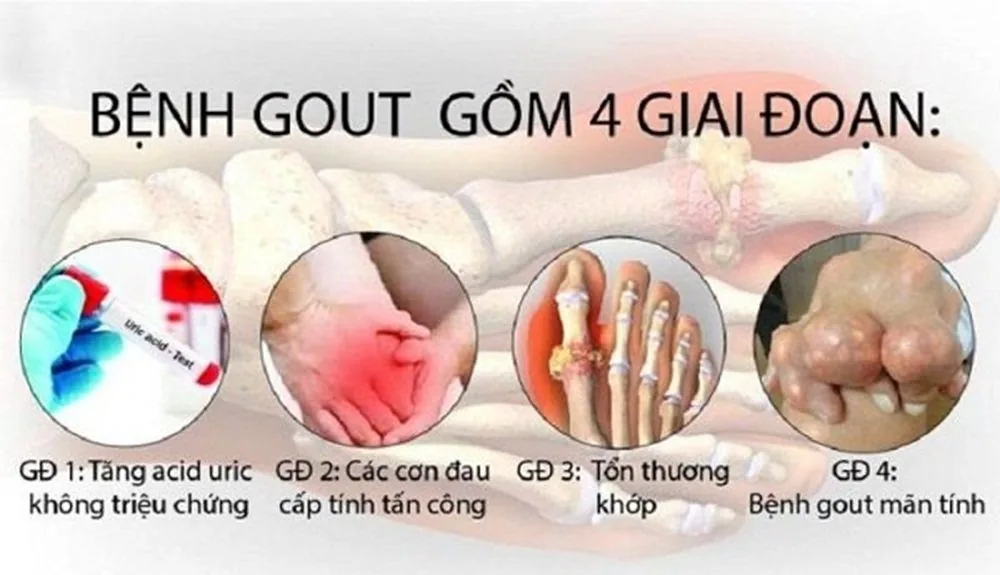
How is gout classified and staged?
Gout is clinically classified and staged according to disease progression and the manifestation of specific symptoms:
- Pre-Gout Phase (Asymptomatic Hyperuricemia):During this phase (asymptomatic hyperuricemia), serum uric acid levels are elevated without producing clinical symptoms or demonstrable tissue damage. Individuals are typically unaware of the condition until it is identified through routine laboratory screening.
- Acute Gout Stage:Characterized by sudden and severe pain, typically localized to the metatarsophalangeal joint of the great toe, though other joints may also be involved. An acute gout flare can persist from several days to a few weeks, presenting with pronounced swelling, erythema, localized warmth, and acute joint tenderness.
- Intercritical Period (Asymptomatic Interval Stage): This represents the asymptomatic intercritical period between acute flares. While the patient remains clinically symptom-free, subclinical disease progression continues at the microscopic level.
- Chronic Tophaceous Gout Stage: Arising after years of untreated or inadequately managed hyperuricemia, this advanced stage may cause chronic joint deterioration and the formation of tophi—dense urate crystal deposits—around affected joints and adjacent soft tissues such as the ears, hands, and elbows.
Signs, Symptoms, and Diagnostic Modalities for Gout
- Symptoms of gout typically manifest suddenly at night. In certain cases, gout presents without initial warning signs. Clinical manifestations generally arise when the patient has a prior history of acute or chronic gout.
- Primary symptoms of the condition include:
- Sudden, acute, and intense joint pain accompanied by pronounced swelling.
- Marked joint tenderness, exacerbated even by minimal physical contact.
- Erythematous joint inflammation and visible swelling.
- Localized warmth and elevated temperature surrounding the affected joint.
- Most manifestations of gout typically persist for several hours over a span of 1–2 days. However, in severe cases, pain may endure for several weeks.
- If individuals diagnosed with gout do not adhere consistently to prescribed medical therapy, symptoms can progressively escalate in severity.
- The symptoms of gout closely mimic those of other clinical conditions. Diagnostic modalities routinely applied include:
- Serum uric acid blood analysis.
- Arthrocentesis (synovial fluid aspiration) for microscopic monosodium urate crystal identification.
- Joint radiography (X-ray) and musculoskeletal ultrasound.
- Articular computed tomography (CT) scan.
Clinical Management Protocols for Gout and Associated Complications
- Numerous therapeutic and management strategies are available to effectively alleviate acute pain and prevent recurrent episodes. Below is essential clinical guidance regarding the management and treatment of gout.
- Dietary and Lifestyle Management :
- Limiting the intake of purine-rich foods, including seafood, red meat, wheat noodles, and beer, helps curb excess uric acid production. Refrain from high-purine sources such as organ meats, game meats, certain fish, and crustaceans (shrimp, crab). Eggs and fresh fruits are recommended, while daily meat consumption should be kept under 150 grams.
- Adequate Hydration: Maintaining optimal fluid intake facilitates the efficient elimination of uric acid from the body.
- Weight Management: For individuals who are overweight, gradual weight reduction helps manage gout by decreasing the endogenous production of uric acid.
- Conservative Medical Therapy
- Anti-inflammatory Therapy: Administered during acute gout flares to alleviate inflammation.
- Urate-Lowering Therapy (ULT): Indicated for long-term gout management; with rigorous compliance, it may contribute to the gradual dissolution of tophi.
– Surgical Management:Surgical excision of tophi is indicated under the following circumstances:
- Gout complicated by skin ulceration.
- Secondary infection (superinfection) of tophi.
- Substantial tophi that impair joint mobility or warrant intervention for reconstructive and aesthetic considerations.
- During surgical intervention, anti-inflammatory agents must be administered to prevent the triggering of acute gout flares, in conjunction with serum uric acid-lowering therapy.
Complications of Gout
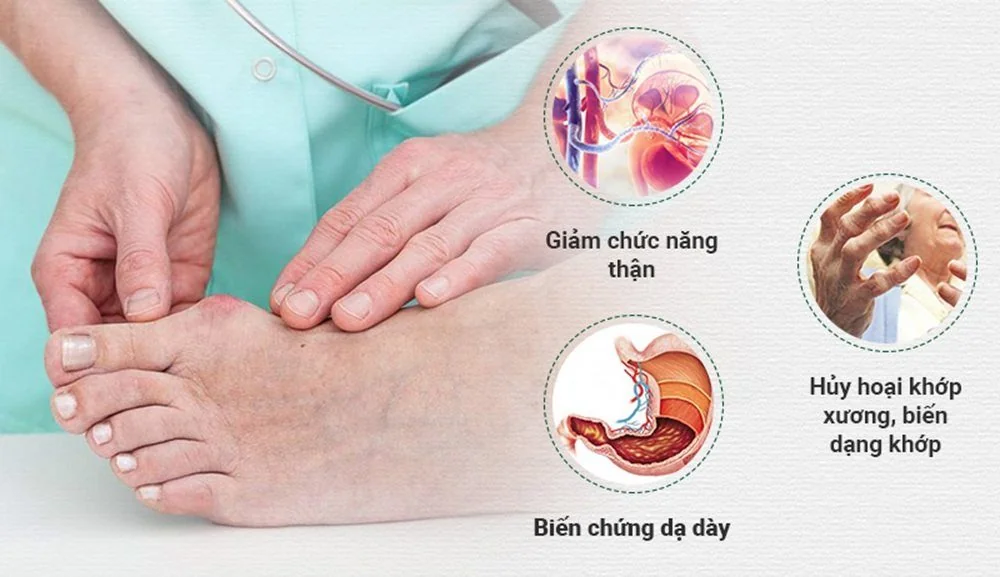
- If not meticulously controlled and managed in a timely manner, gout can lead to extensive systemic complications and irreversible damage. Below are common complications associated with gout:
- Chronic Joint Damage (Chronic Gouty Arthritis): Acute gout attacks present with severe joint swelling, exquisite pain, and marked inflammation. Without timely intervention, recurrent flares can lead to persistent synovitis and permanent articular damage.
- Tophi: Tophi are nodular deposits of monosodium urate crystals that develop subcutaneously or around affected joints. They can provoke persistent pain, chronic swelling, and progressive destruction of adjacent soft tissues and overlying skin.
- Renal Disease: Sustained hyperuricemia may lead to intrarenal urate crystal deposition, culminating in gouty nephropathy. This condition can impair renal clearance and potentially progress to chronic kidney disease or renal failure.
- Cardiovascular Disease: Gout is closely linked to an elevated cardiovascular risk profile. Elevated uric acid levels can accelerate arterial atherogenesis, heightening the incidence of coronary artery disease and cerebrovascular events.
- Other Associated Clinical Conditions: Furthermore, gout may manifest with extra-articular complications, including intraocular inflammation (uveitis), soft-tissue cysts, and subchondral bone erosions.
- Contact us immediately for consultations and to book an appointment with leading specialists at Sante Hospital:
Address: 11A Dinh Bo Linh, Ward 24, Binh Thanh District, Ho Chi Minh City
Hotline: (028) 2200 8686
Fanpage: www.facebook.com/benhviensante
Website: www.benhviensante.com
Proactively protect your health with our experienced specialist doctors and advanced medical equipment.
📞 BOOK AN APPOINTMENT NOW: (+84) 28 2200 8686 – (+84) 901 295 399
⏰ Monday – Saturday: Morning 7:30 AM – 12:00 PM, Afternoon 1:30 PM – 5:00 PM | 24/7 Emergency: ((+84) 937 389 539)
💳 Full nationwide health insurance coverage & Direct billing for private insurance accepted