
Hemorrhoidal Disease

UNDERSTANDING HEMORRHOIDAL DISEASE
- Physiological Hemorrhoidal Cushions: A rich network of blood vessels resides at the lower terminal of the rectum. These vascular clusters are normal anatomical structures that function as protective cushions, essential for fecal continence and controlled evacuation.
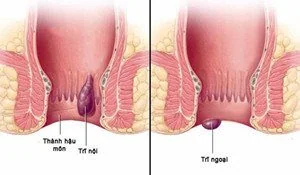
- When, then, does it become pathological hemorrhoidal disease? It is diagnosed when: Excessive dilatation and engorgement of the anal vascular plexuses precipitate common clinical manifestations, notably painless rectal bleeding and hemorrhoidal prolapse during defecation or heavy physical exertion. Additionally, hemorrhoids may present secondary to underlying conditions such as portal hypertension or pelvic mass lesions that impede venous return.
- Although hemorrhoids are benign, they significantly impair quality of life by causing persistent itching, burning sensations, and anal discomfort, especially during bowel movements. Without timely medical intervention, severe complications such as hemorrhoidal necrosis may lead to systemic infections or life-threatening sepsis.
- While the exact etiology of hemorrhoids remains incompletely understood, several predisposing factors significantly elevate the risk of their development.
WHAT FACTORS CONTRIBUTE TO THE DEVELOPMENT OF HEMORRHOIDS?
- Structural weakness of the rectal venous walls and surrounding vascular valves, frequently influenced by genetic predisposition.
- Squatting postures maintained during bowel movements.
- Chronic, unmanaged psychological stress.
- Bowel motility disorders, such as chronic constipation or irritable bowel syndrome (IBS) characterized by persistent, frequent bowel movements.
- A sedentary lifestyle and physical inactivity.
- Prolonged sitting, commonly observed among long-haul drivers, corporate professionals, and IT specialists.
- Strenuous physical labor and heavy lifting.
- Mang thai.
- Inadequate hydration.
- Excessive intake of spicy, irritant-rich foods.
WHAT ARE THE COMMON SYMPTOMS OF HEMORRHOIDS?
- Bright red rectal bleeding during bowel movements, presenting in varying severities from light spotting to noticeable bleeding.
- Hemorrhoidal prolapse triggered by defecation or straining; in severe cases, the tissue remains permanently displaced outside the anal canal.
- Acute anal pain and burning, particularly when hemorrhoids become strangulated, thrombosed (with internal blood clot formation), or acutely inflamed after prolapse.
- Notably, these clinical manifestations can overlap with more serious conditions such as colorectal cancer, anorectal polyps, mucosal prolapse, or full-thickness rectal prolapse. Surgeons may recommend a comprehensive colonoscopy to exclude underlying pathologies. To ensure an accurate diagnosis and receive a safe, optimal treatment regimen, patients are advised to consult directly with Colorectal Specialists or General Surgeons.
WHICH TREATMENT OPTIONS ARE MOST SUITABLE?
- Non-surgical (conservative) management:
Because anal vascular cushions play an essential physiological role in maintaining fecal continence, conservative, non-surgical approaches serve as the primary treatment of choice for minimally symptomatic cases.
a. Lifestyle, behavioral, and occupational modifications to mitigate predisposing risk factors:
- Adopting modern seated toilets in place of traditional squatting facilities.
- Eliminating behaviors that lead to prolonged sitting and straining on the toilet.
- Utilizing specialized pressure-relieving donut or coccyx cushions for long-haul drivers, office personnel, and IT professionals.
- Dietary fiber supplementation:
- This isApproaches to hemorrhoid managementsimple but needs to be combined with other treatment methods to achieve high effectiveness. Dietary recommendations to contribute to Hemorrhoid treatmentincluding increasing fiber intake or fiber supplements such as psyllium (Metamucil) or methylcellulose (Citrucel) to reduce the impact of hard stool elimination.
- Clinical studies demonstrate that a daily supplementation of 7 to 20 grams of fiber can reduce the risk of bleeding and persistent hemorrhoidal symptoms by up to 50%. However, fiber intake alone does not alleviate prolapse, pain, or pruritus. Dietary fiber comprises two distinct types: soluble fiber (found in bananas, fruit juices, etc.) and insoluble fiber (cellulose present in vegetables, whole fruit pulp, etc.). Consequently, patients are advised to incorporate a balanced combination of both soluble and insoluble fiber into their daily diet.
c. Pharmacotherapy:
Local anesthetics and topical anti-inflammatory agents provide effective symptomatic relief from hemorrhoids. These medications are administered via rectal suppositories, topical ointments, or systemic formulations, including corticosteroids, 0.2% glyceryl trinitrate ointment, Preparation H, and diosmin.
- Surgical Intervention:
- Procedural interventions:
- Rubber band ligation:This procedure offers a safe, rapid, and highly effective treatment for grade II and III internal hemorrhoids. It is contraindicated in patients with coagulopathies, those receiving chronic anticoagulation therapy, or immunocompromised individuals.
- Sclerotherapy: Indications for internal hemorrhoids grade I and II and may also be a good choice for patients on anticoagulant medication.,cardiovascular, stroke, diabetes .
- Infrared photocoagulation: This technique applies focused infrared light energy directly onto hemorrhoidal tissues to achieve coagulation and obliteration. It is indicated exclusively for grade I and II internal hemorrhoids.
- Laser ablation therapy: Primarily utilized for grade I and II internal hemorrhoids, this method effectively shrinks the hemorrhoidal tissue through thermal ablation or allows for precise excision.
- Surgical interventions:
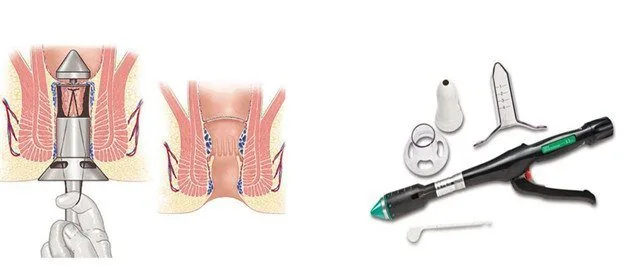
- Longo procedure (Procedure for Prolapse and Hemorrhoids - PPH):
- This procedure is also known as circumferential mucosal resection surgery or stapled hemorrhoidopexy (PPH). The Longo method uses a stapler to simultaneously cut and suture to fix the internal hemorrhoidal tissue to the rectal wall. This method causes less pain, shortens surgery time, promotes quick recovery, and reduces the risk of recurrence. However, the Longo method can cause complications such as bleeding from the stapler, uncontrolled injury to the sphincter muscle; the risk of vaginal fistula recurrence in women. To avoid the risk of complications afterLongo procedure (Stapled hemorrhoidopexy)requires the surgeon to have high skill and rich experience.
- Open hemorrhoidectomy (Conventional hemorrhoidectomy):
This approach is indicated for severe, acute hemorrhoidal conditions accompanied by pronounced edema and necrosis that preclude primary mucosal closure. Open hemorrhoidectomy may cause postoperative pain and serous or mucous drainage at the surgical site lasting for several weeks.
- Depending on the surgeon's expertise and the hospital's specialized equipment, alternative surgical approaches may be utilized, including Doppler-guided Transanal Hemorrhoidal Dearterialization (THD) and Submucosal Hemorrhoidectomy (Parks procedure).
- Potential complications:
- Pain: ...particularly during defecation. Patients are advised to take prescribed analgesics diligently in accordance with their physician's instructions and maintain adequate hydration (at least 2 liters of water daily).
- Dyschezia (Difficulty with bowel evacuation): This symptom is typically transient and resolves spontaneously by the following day.
- Bleeding at the surgical incision site:.
- Anal sphincter spasm: The anal region may feel slightly tighter or firmer than prior to surgery.
- Anal stenosis Attributable to fibrous scar ring formation (following Longo stapling) or cicatricial contracture following conventional extensive hemorrhoidectomy.
BOOK APPOINTMENT & HEALTH CONSULTATION AT SANTE HOSPITAL
Proactively protect your health with our experienced specialist doctors and advanced medical equipment.
📞 BOOK AN APPOINTMENT NOW: (+84) 28 2200 8686 – (+84) 901 295 399
📍 11A Dinh Bo Linh, Ward 24, Binh Thanh District, Ho Chi Minh City (Gate 2: Alley 72 Bach Dang)
⏰ Monday – Saturday: Morning 7:30 AM – 12:00 PM, Afternoon 1:30 PM – 5:00 PM | 24/7 Emergency: ((+84) 937 389 539)
💳 Full nationwide health insurance coverage & Direct billing for private insurance accepted