
Understanding Hip Pain:
Clinical Causes and Essential Insights


1. Clinical Overview of the Condition:
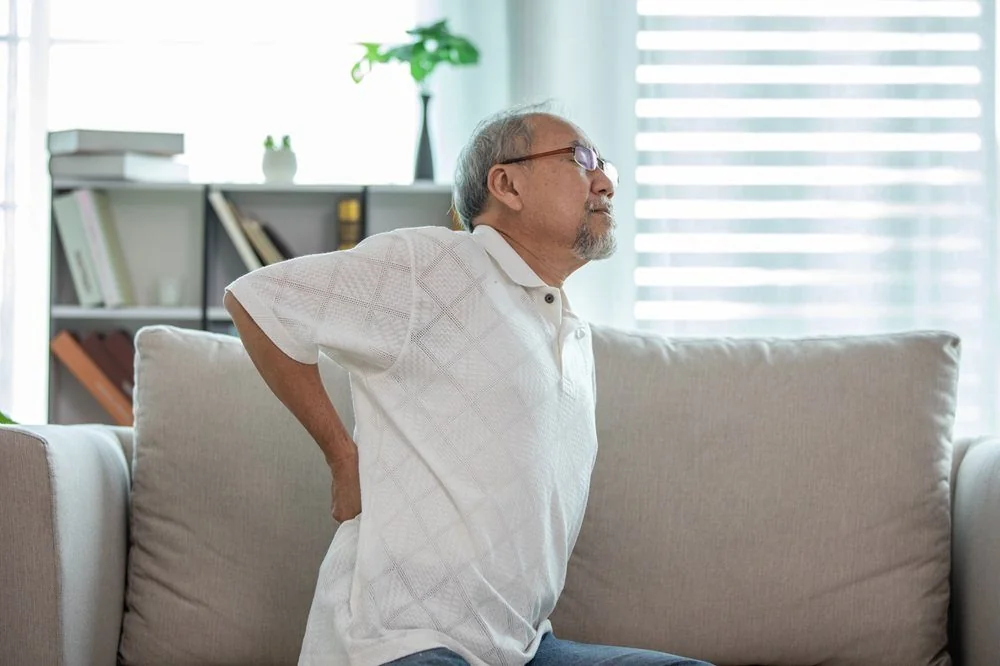
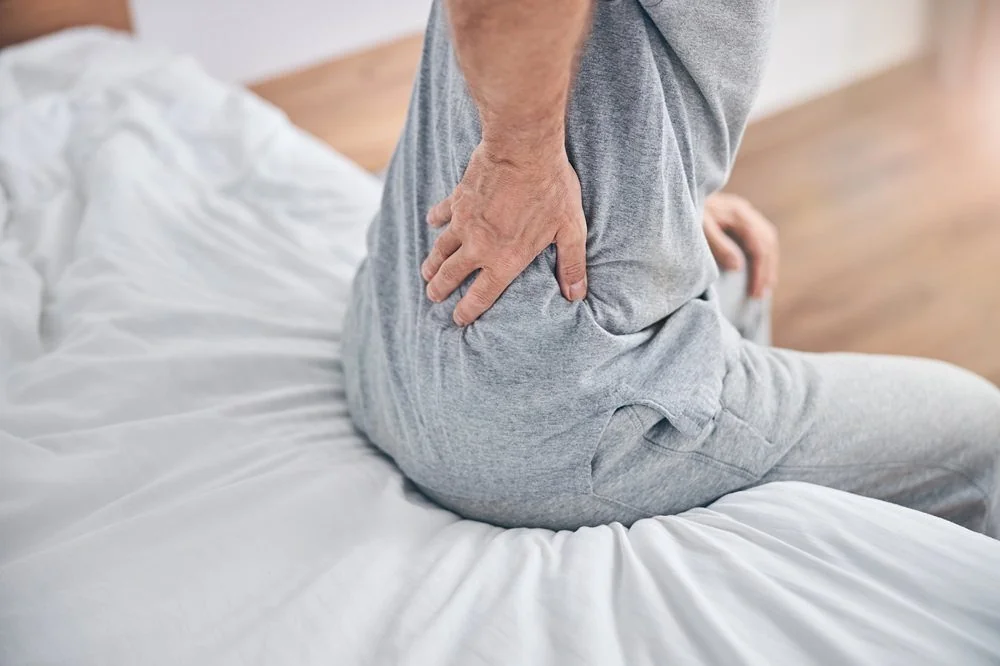
Hip pain denotes discomfort or aching localized within or around the hip joint—the pivotal ball-and-socket junction connecting the pelvis to the femur. The pain can manifest intermittently or constantly, both during movement and at rest, and frequently intensifies during the early morning or nocturnal hours. Such pain may serve as a clinical sign of various disorders, such as hip arthritis, osteoarthritis, avascular necrosis of the femoral head, bursitis, trauma, or sciatica.
2. Classification and Disease Staging:
Depending on the precise etiology of the hip pain, the underlying pathology is categorized and staged accordingly.
- Hip osteoarthritis is clinically categorized into acute, chronic, total, or partial forms, and is staged from Stage 0 to Stage 4 based on the extent of femoral head collapse and joint degeneration.
- Avascular necrosis of the femoral head is staged from Stage 1 to Stage 4 according to the severity and spread of osteocytic and bone marrow necrosis.
- Bursitis may be classified as acute, chronic, or septic bursitis, based on the severity of inflammation, localized edema, and the presence of bacterial pathogens.
- Traumatic injuries are classified by anatomical structure—involving muscles, tendons, ligaments, bone, or articular cartilage—and graded from mild to severe based on the extent of tissue impairment and functional joint limitation.
- Celiac disease is differentiated into classical, non-classical, asymptomatic, or potential subtypes, with clinical severity graded from mild to severe based on gluten sensitivity and its systemic impact on overall health.
- Sciatica is categorized into acute, chronic, compressive, or inflammatory forms, and graded from mild to severe based on pain severity and the degree of neurological impairment.
To definitively establish the underlying cause and clinical stage of your hip condition, we recommend a comprehensive consultation with an orthopedic specialist, complemented by advanced diagnostic imaging and laboratory investigations.
3. Etiology and Clinical Manifestations:
The underlying etiologies of hip pain vary according to the specific clinical condition. Common causes include the following:
- Hip arthritis may arise from infection, autoimmune disorders, gout, or degenerative changes. Typical presentations include joint pain, localized swelling, stiffness, and diminished range of motion.
- Osteoarthritis of the hip can stem from advancing age, obesity, prior trauma, or genetic predisposition. Symptoms commonly entail pain, crepitus, femoral head collapse, and restricted articular mobility.
- Avascular necrosis of the femoral head is driven by compromised microvascular perfusion to the superior aspect of the femoral head, frequently associated with physical trauma, metabolic dysregulation, or corticosteroid therapy. Manifestations include pain, necrosis of osteocytes and bone marrow components, subchondral microfracture, structural collapse of the femoral head, and significant restriction of joint movement.
- Hip bursitis may be triggered by traumatic impact, localized infection, metabolic conditions, or pharmacological adverse effects. Clinical signs include pain, erythema, stiffness, and pronounced swelling surrounding the hip joint.
- Traumatic injury may result from biomechanical strain, repetitive overuse, accidental falls, or vehicular collisions. Symptoms present as acute pain and structural compromise involving surrounding muscles, tendons, ligaments, osseous structures, and articular cartilage.
- Sciatica stems from spinal nerve root impingement, predominantly secondary to herniation of the nucleus pulposus. Radiating pain typically courses from the lumbar spine down through the hip, gluteal region, thigh, and foot, accompanied by paresthesia, aching discomfort, motor weakness, and hypoesthesia in the lower extremity.
4. Treatment Protocols and Potential Complications:
For optimal management of hip pain, a comprehensive clinical evaluation and precise diagnosis by an orthopedic specialist—supplemented by relevant laboratory testing and diagnostic imaging—are imperative. The therapeutic strategy is determined by the underlying etiology, clinical stage, and disease severity, encompassing the following established modalities:
- Medical Management (Conservative Therapy): This entails pharmacological regimens—including analgesics, anti-inflammatory agents, bone-strengthening therapies, calcium and vitamin D supplements, antiallergic agents, and antimicrobials—aimed at alleviating symptoms, halting disease progression, and restoring joint function. Depending on the condition, medications may be prescribed or acquired over the counter; however, meticulous attention to proper dosing, duration, and side effect profiles is essential. Protracted or unmonitored use must be strictly avoided to prevent complications such as peptic ulcer disease, renal or hepatic impairment, gastrointestinal dysfunction, and hypertension.
- Physical Therapy and Rehabilitation: This utilizes modalities such as therapeutic massage, acupressure, moxibustion, electroacupuncture, tailored kinesitherapy, active rehabilitation, and hydrotherapy to enhance microcirculation, mitigate pain, and restore joint and muscular dynamics. Physical therapy may be conducted within a specialized clinical center or at home, as determined by your clinical status. Adherence to individualized professional guidance regarding technique, frequency, and duration is paramount. Overexertion or incorrect execution should be strictly avoided to prevent secondary trauma, inflammation, edema, or fractures.
- Surgical Intervention: This encompasses procedures such as intra-articular injections, synovectomy, discectomy, bone grafting, and total joint arthroplasty to correct structural lesions, biomechanical abnormalities, or severe degeneration. Surgical intervention is indicated when conservative measures and physical therapy prove insufficient, or when disease progression threatens significant disability. Such procedures require performance by board-certified orthopedic surgeons, paired with structured postoperative surveillance and rehabilitative care. Strict adherence to professional guidance regarding diet, daily mobility, pharmacotherapy, wound care, and activity precautions is vital to prevent adverse events such as surgical site infection, excessive hemorrhage, periprosthetic loosening, or implant rejection.
5. Preventative Guidelines:
To proactively safeguard against conditions causing left hip pain, we recommend adopting the following preventive measures:
- Maintain diligent personal hygiene to minimize the risk of systemic and localized infections.
- Follow a balanced nutritional regimen enriched with calcium, vitamin D, glucosamine, and chondroitin to sustain optimal osteoarticular health.
- Limit foods known to trigger immune sensitivities, with strict adherence to a gluten-free diet if diagnosed with celiac disease.
- Pursue healthy weight management if overweight or obese to substantially diminish mechanical load on the hip joints.
- Engage in regular, low-impact exercise within safe limits to fortify the surrounding musculature, tendons, and ligaments while preserving cartilage integrity.
- Exercise vigilance against high-risk physical activities, fall hazards, and vehicular accidents that could lead to acute hip trauma.
- Employ appropriate supportive bandages, orthotic braces, lumbar supports, and ergonomic footwear to stabilize and safeguard the hip joint.
- Undergo routine health examinations—particularly blood analyses, urinalysis, ultrasound, X-ray, MRI, and CT imaging—to facilitate early detection of pathologies causing hip joint pain.
- Strictly adhere to your physician's clinical directives when treating left hip joint pain, avoiding unprescribed pharmaceuticals or self-directed physical therapy without prior specialist clearance.
Proactively protect your health with our experienced specialist doctors and advanced medical equipment.
📞 BOOK AN APPOINTMENT NOW: (+84) 28 2200 8686 – (+84) 901 295 399
⏰ Monday – Saturday: Morning 7:30 AM – 12:00 PM, Afternoon 1:30 PM – 5:00 PM | 24/7 Emergency: ((+84) 937 389 539)
💳 Full nationwide health insurance coverage & Direct billing for private insurance accepted