
Hypertension


Hypertension ...one of the most prevalent and critical health conditions encountered today
Understanding Hypertension
Hypertension is a chronic vascular condition marked by persistently elevated arterial pressure. It represents a primary etiology of cardiovascular, cerebrovascular, and renal disorders, significantly increasing the risk of life-threatening events including myocardial infarction, stroke, chronic kidney disease, and vision loss.
Classification of Hypertension
- Hypertension is classified based on two fundamental criteria: etiology and severity. According to etiology, hypertension can be categorized as:
- Primary (essential) hypertension: The underlying cause of hypertension remains unidentified, accounting for approximately 90% of all cases.
- Secondary hypertension: Hypertension resulting from an identifiable etiology, most commonly secondary to renal, endocrine, or cardiovascular conditions, or pharmacological agents.
- According to severity, hypertension can be clinically defined based on the following classification table:
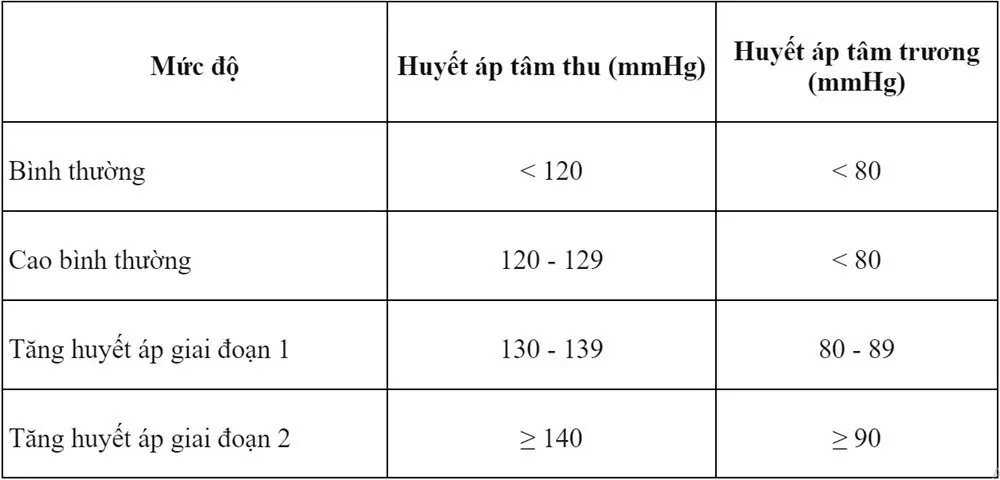
What are the underlying causes of hypertension?
While the precise etiology of primary hypertension remains uncertain, it is closely linked to an interplay of genetic predisposition, environmental factors, and lifestyle. Key risk factors include:
- Male sex
- Postmenopausal women
- Family history of hypertension
- Obesity
- High-sodium dietary intake
- Physical inactivity
- Tobacco use
- Excessive alcohol consumption
- Stress
What are the symptoms of hypertension?
- Hypertensive patients often remain entirely asymptomatic over an extended period. Occasionally, patients may experience cephalalgia, chest pain, or dyspnea during a hypertensive surge. Alternatively, symptoms indicating target organ damage may emerge: blurred vision, acute crushing chest pain, hematuria, hemiplegia (Stroke)… however, the manifestation of these clinical signs generally signifies a guarded prognosis.
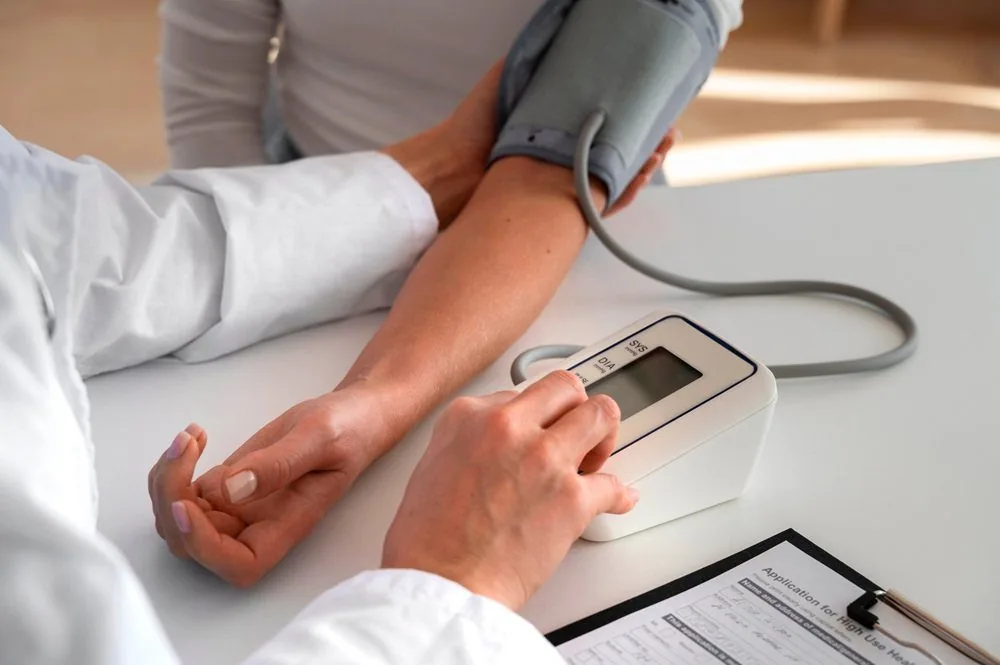
Routine blood pressure monitoring facilitates the early detection of hypertension.
- To diagnose hypertension, the physician measures the patient's blood pressure using a sphygmomanometer. If the reading indicates elevated levels, the physician will advise the patient to monitor and record measurements over a specified period to establish a definitive diagnosis. Additionally, the physician may order diagnostic investigations to elucidate the underlying etiology, evaluate target organ damage, and identify other cardiovascular risk factors. Routinely performed evaluations include:
- Blood tests: To assess levels of cholesterol, glucose, potassium, sodium, creatinine, urea, and liver function panels.
- Urinalysis: To evaluate protein, glucose, occult blood, and other urinary biomarkers.
- Abdominal ultrasound: To evaluate the morphology, dimensions, and vascular status of the kidneys and renal arteries.
- Electrocardiogram (ECG): To record cardiac rhythm and detect potential indicators of heart disease.
- Echocardiography: To assess cardiac structure and function.
Clinical Management of Hypertension
The management of hypertension primarily comprises two fundamental approaches:
- Lifestyle Modifications: These include weight optimization (if indicated), nutritional refinement (limiting sodium and dietary fats while increasing fruit and vegetable intake), regular physical activity (a minimum of 30 minutes daily), smoking cessation, moderate alcohol consumption, and effective stress reduction.
- Pharmacotherapy: Pharmacotherapy encompasses essential drug classes including diuretics, angiotensin-converting enzyme (ACE) inhibitors, angiotensin II receptor blockers (ARBs), calcium channel blockers, beta-blockers, and vasodilators. The therapeutic objective is to maintain blood pressure below 130/80 mmHg, tailored to individual clinical profiles.

Nutritional Wellness for Hypertension Prevention
Preventive Strategies for Hypertension
Preventive care for hypertension centers on sustaining a balanced lifestyle, undergoing routine blood pressure screenings, and managing underlying conditions in a timely manner. For individuals diagnosed with hypertension, rigorous adherence to medical guidance, consistent and precise medication schedules, and regular blood pressure monitoring are essential.
Contact us now for consultation and to schedule an appointment with top experts at Sante Hospital:
Proactively protect your health with our experienced specialist doctors and advanced medical equipment.
📞 BOOK AN APPOINTMENT NOW: (+84) 28 2200 8686 – (+84) 901 295 399
⏰ Monday – Saturday: Morning 7:30 AM – 12:00 PM, Afternoon 1:30 PM – 5:00 PM | 24/7 Emergency: ((+84) 937 389 539)
💳 Full nationwide health insurance coverage & Direct billing for private insurance accepted
