
Osteoarthritis


Osteoarthritis is a chronic disorder characterized by the gradual deterioration of the cartilaginous tissue cushioning the joint surfaces. While predominantly prevalent among older adults, it can also manifest in younger individuals due to trauma, infection, or genetic predisposition.
Disease Classification and Staging
Osteoarthritis can be classified according to the following clinical criteria:
– Classified by affected anatomical site: Osteoarthritis can develop in any joint throughout the body, but it is most frequently observed in high-load and weight-bearing joints, such as the knees, hips, wrists, cervical spine (neck), and fingers.
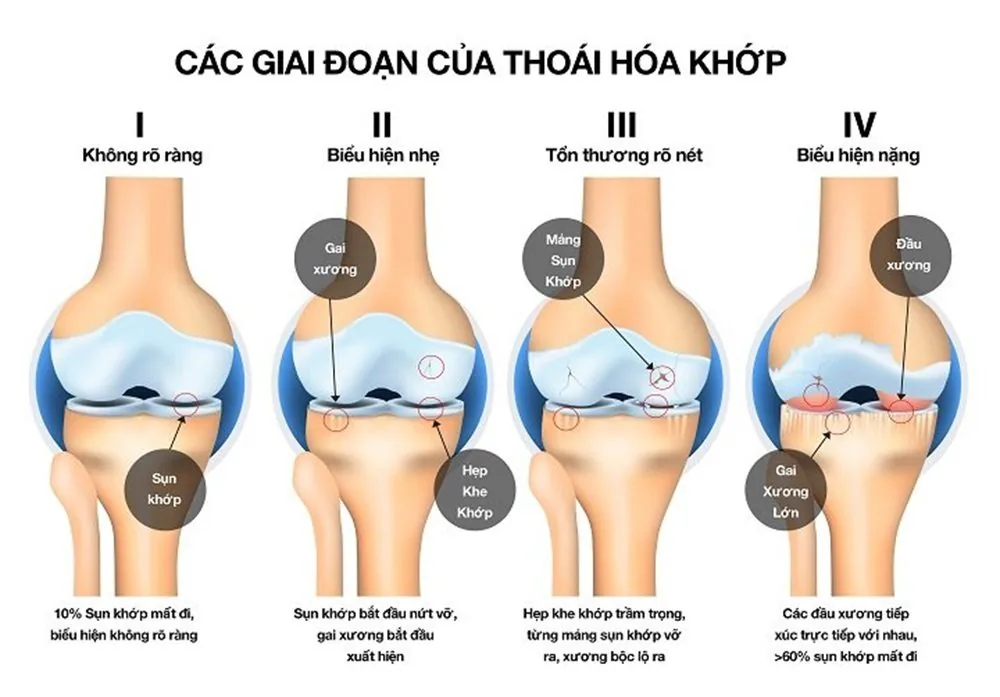
– Classified by clinical severity: Osteoarthritis progression can be clinically defined by the following stages:
- Stage 1: Cartilage wear is minimal and does not present overt clinical symptoms. Joint function remains fully intact.
- Stage 2: Cartilage wear is moderate, potentially causing discomfort, aching, or localized joint swelling during movement. Partial restriction of joint function may occur.
- Stage 3: Cartilage wear is severe, precipitating acute pain, inflammatory swelling, joint stiffness, and a diminished range of motion. Joint deformity may arise due to marginal bone proliferation (known as osteophytes or bone spurs).
- Stage 4: Cartilage tissue is completely eroded, causing direct bone-on-bone contact. The joint entirely loses its physiological function, resulting in persistent pain and severe mobility impairment.
Etiology and Clinical Symptoms of Osteoarthritis
– Osteoarthritis can stem from multiple factors, including advanced age, gender (women present a higher risk than men), overweight, excessive physical exertion, trauma, infections, genetic predisposition, or underlying joint disorders (such as rheumatoid arthritis or gout).
– Characteristic symptoms of osteoarthritis include:
- Joint pain occurring during physical exertion or following periods of rest.
- Localized swelling, inflammation, and warmth around the joint.
- Morning joint stiffness or stiffness following prolonged immobility.
- Diminished range of motion within the affected joint.
- Crepitus or audible clicking sensations during joint movement.
- Structural joint deformity caused by the development of osteophytes (bone spurs).
Therapeutic Approaches for Osteoarthritis
– Pharmacological Management: Analgesics, non-steroidal anti-inflammatory drugs, intra-articular lubricants, or therapeutic intra-articular injections may be prescribed to alleviate clinical symptoms. However, as these pharmaceutical agents may carry potential adverse effects, they must be administered strictly under the guidance and prescription of a qualified medical specialist.
– Physical Therapy & Rehabilitation: Therapeutic modalities such as massage, thermotherapy, electrotherapy, physical exercise, or splinting may be utilized to improve joint function and alleviate pain.
– Surgical Procedure: Surgical interventions—such as osteophyte excision, joint debridement, cartilage transplantation, or joint arthroplasty—may be indicated to manage severe complications of the condition. However, surgical procedures entail inherent risks and are reserved for cases where conservative therapies have proven ineffective.
Potential complications of degenerative joint disease include:
- Deterioration in quality of life resulting from chronic pain and restricted mobility.
- Loss of balance and risk of falls attributable to joint instability.
- Infection or secondary synovitis arising from intra-articular injections.
- Allergic reactions, peptic ulcers, and renal or hepatic impairment resulting from medication overuse.
- Infection, hemorrhage, post-surgical arthritis, or prosthetic loosening/dislocation associated with surgical intervention.
Preventive Measures for Degenerative Joint Disease
– Maintain an optimal body weight to reduce biomechanical stress on the joints.
- Engage in regular and tailored physical exercise to enhance joint strength and flexibility.
- Avoid high-impact activities that may cause mechanical trauma, direct impact, or excessive joint overload.
- Maintain a balanced nutritional regimen enriched with essential nutrients beneficial for bone and cartilage tissue.
- Schedule routine clinical assessments and seek prompt treatment for any joint-related pathologies.

– Outlined above is an overview of osteoarthritis and its key preventive measures. Early diagnosis and timely clinical intervention optimize therapeutic outcomes while mitigating long-term complications. Should you observe any suggestive signs or symptoms, we recommend consulting our specialists for an accurate evaluation and tailored care plan.
———————————————————–
Sante Hospital – Caring with all our heart 
 11A Dinh Bo Linh, Ward 24, Binh Thanh District, Ho Chi Minh City
 Hotline: (+84) 28 2200 8686
 Email: info@santehospital.com
 Website: www.benhviensante.com
Proactively protect your health with our experienced specialist doctors and advanced medical equipment.
📞 BOOK AN APPOINTMENT NOW: (+84) 28 2200 8686 – (+84) 901 295 399
⏰ Monday – Saturday: Morning 7:30 AM – 12:00 PM, Afternoon 1:30 PM – 5:00 PM | 24/7 Emergency: ((+84) 937 389 539)
💳 Full nationwide health insurance coverage & Direct billing for private insurance accepted