
Rhinosinusitis and Its Unforeseen Complications

What is Sinusitis?
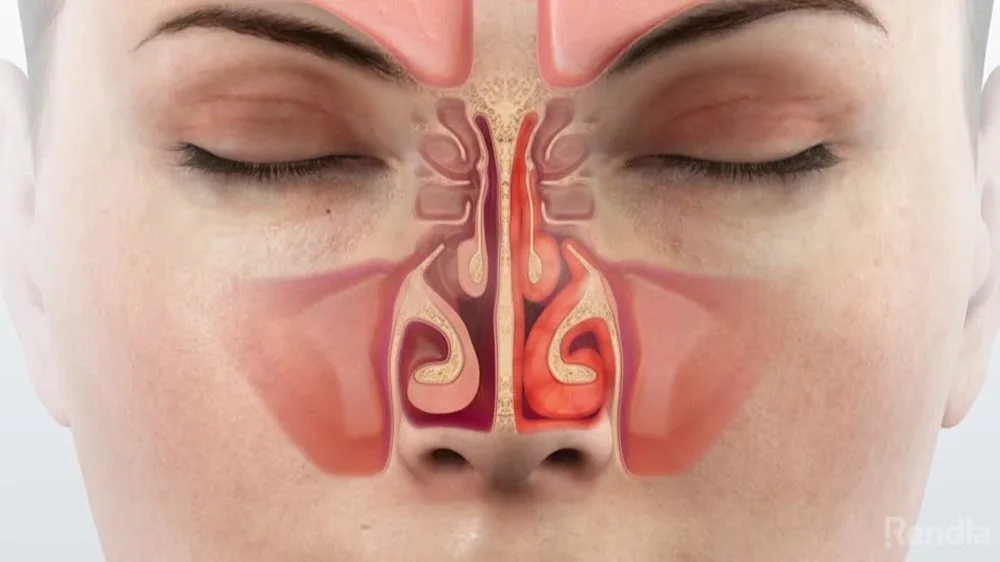
Sinusitis is one of the common conditions in Ear, Nose & Throat (ENT) Department, accounting for about 15% of the population. Currently, due to urbanization - industrialization, environmental pollution, and climate change, the disease tends to increase and significantly affects the quality of life of patients. Sinusitis is an inflammatory condition caused by bacteria, viruses, or fungi that commonly occurs in the sinuses adjacent to the nose, the cavities located within the bones above and below the nose.

Causes and Clinical Manifestations of Sinusitis
– The etiology of sinusitis may vary according to its specific clinical classification. Leading causes include:
-
Viral Infection: This represents the most prevalent etiology of acute rhinosinusitis. Viruses can spread from the nasal cavity into the paranasal sinuses via the meatuses, precipitating mucosal inflammation and ostial obstruction.
-
Fungal Infection: Fungi may induce chronic rhinosinusitis, particularly in immunocompromised individuals such as patients with HIV, oncology patients, or those undergoing prolonged corticosteroid therapy.
-
Nasal Polyps: Benign mucosal projections typically arising secondary to chronic inflammation or allergies. Nasal polyposis can obstruct sinus drainage pathways, resulting in dyspnea, anosmia (loss of smell), and chronic rhinosinusitis.
– Common manifestations of sinusitis may vary according to the clinical classification, the specific anatomical sinuses involved, and the degree of severity. Typical presentations include:
-
Headache and facial pain or pressure, particularly localized to the frontal, temporal, and maxillary areas, or radiating to the upper dentition.
-
Rhinorrhea, presenting with clear, serous, or purulent yellow-green nasal discharge. The drainage may present anteriorly or descend into the posterior pharynx (post-nasal drip), instigating cough, sputum production, or pharyngitis.
-
Nasal congestion and impaired nasal breathing.
-
Pyrexia, generalized fatigue, and systemic malaise.
Potentially Severe Complications of Sinusitis
– When mucopurulent secretions accumulate within the sinuses, a favorable niche is established for opportunistic pathogens. As leukocytes and inflammatory serous exudate mobilize to eradicate bacterial, viral, or fungal agents, positive pressure develops within the obstructed sinus cavity, provoking acute pain, mucosal edema, and severe vascular congestion.
– Sinusitis, if not managed with timely and appropriate medical interventions, may lead to profound clinical repercussions, resulting in irreversible lifelong sequelae or even life-threatening complications.

Intracranial Complications
– Complications arising from this condition may impart lifelong neurological sequelae to the patient, including:
 Cranial nerve palsy
 Hemiplegia
 Epileptic seizures
 Cognitive impairment
 Hydrocephalus
 Sensorineural hearing loss and visual impairment
 Mortality secondary to septic thrombophlebitis propagation, brain herniation, elevated intracranial pressure, and systemic sepsis
Orbital and Ocular Complications
– Sinusitis may give rise to several ophthalmic complications, such as:
 Eyelid abscess
 Dacryocystitis
 Orbital cellulitis
 Retrobulbar optic neuritis
 Reduced visual acuity
Vascular complications
 A 30% mortality risk if cavernous sinus thrombosis is not treated promptly
 Lifelong sequelae such as ophthalmoplegia, permanent vision loss, or hypopituitarism
Neurological complications
 Oculomotor nerve palsy
 Optic and olfactory nerve palsies
Osseous complications
 Osteomyelitis—a potential complication frequently observed in patients with frontal sinusitis
 Fistula formation extending to the bony wall accompanied by osteonecrosis
Nasal complications
 Deviated nasal septum
 Turbinate hypertrophy
 As these mucoceles expand, they can exert pressure on the sinuses and adjacent structures, causing obstruction, impairing mucus drainage, and exacerbating the infection.
Systemic complications
 Sepsis
Hematogenous multi-organ failure
 Pneumonia
– Sinusitis, if not managed with clinical precision, can spread to adjacent structures and precipitate severe complications. Early identification and timely intervention are essential to preventing irreversible consequences. We encourage you to visit our clinic proactively to receive expert guidance on treatment and long-term prevention.
Proactively protect your health with our experienced specialist doctors and advanced medical equipment.
📞 BOOK AN APPOINTMENT NOW: (+84) 28 2200 8686 – (+84) 901 295 399
⏰ Monday – Saturday: Morning 7:30 AM – 12:00 PM, Afternoon 1:30 PM – 5:00 PM | 24/7 Emergency: ((+84) 937 389 539)
💳 Full nationwide health insurance coverage & Direct billing for private insurance accepted