
What causes a sore throat? Symptoms and treatment methods.

Understanding sore throat conditions
A sore throat is a common ailment affecting the pharynx, characteristically presenting with fever, localized pain, scratchiness, and difficulty swallowing. The condition most frequently occurs during seasonal transitions and colder months.

Essential insights into sore throat care
What causes a sore throat?
What are the primary triggers of a sore throat?
- Viruses represent the most common cause of sore throats, with several frequently encountered viruses including:
Rhinovirus, coronavirus, or human parainfluenza (HPIV)
- Adenovirus: In addition to causing the common cold, it can also lead to conjunctivitis (pink eye).
- Influenza virus (flu virus).
- Epstein-Barr virus: Induces infectious mononucleosis and may present with flu-like symptoms.
- The virus is typically transmitted through saliva; therefore, individuals can contract the infection through contact with an infected person's saliva or respiratory droplets from sneezing. The condition most frequently affects adolescents and young adults.

Factors leading to a sore throat
- Additionally, bacterial infections can also cause a sore throat, although less frequently. Certain bacteria, such as Group A Streptococcus, are the primary cause of pharyngitis in pediatric patients, commonly referred to as streptococcal pharyngitis (strep throat). Other pathogens include Group C and G Streptococcus, Chlamydia species, Neisseria gonorrhoeae (causing gonorrhea), and Mycoplasma pneumoniae.
- Several risk factors may predispose individuals to developing pharyngitis, including:
- A history of allergic conditions.
- A medical history of sinusitis.
- Active tobacco use or routine exposure to secondhand smoke.
Other contributing etiologies of sore throat
Pharyngitis is a common presentation that may be linked to several underlying health conditions, such as:
Laryngitis
- The primary etiology is vocal cord strain resulting from excessive shouting or prolonged speaking.
- Other causes include: allergies, gastroesophageal acid reflux, viral infection, and bacterial infection.
Tonsillitis
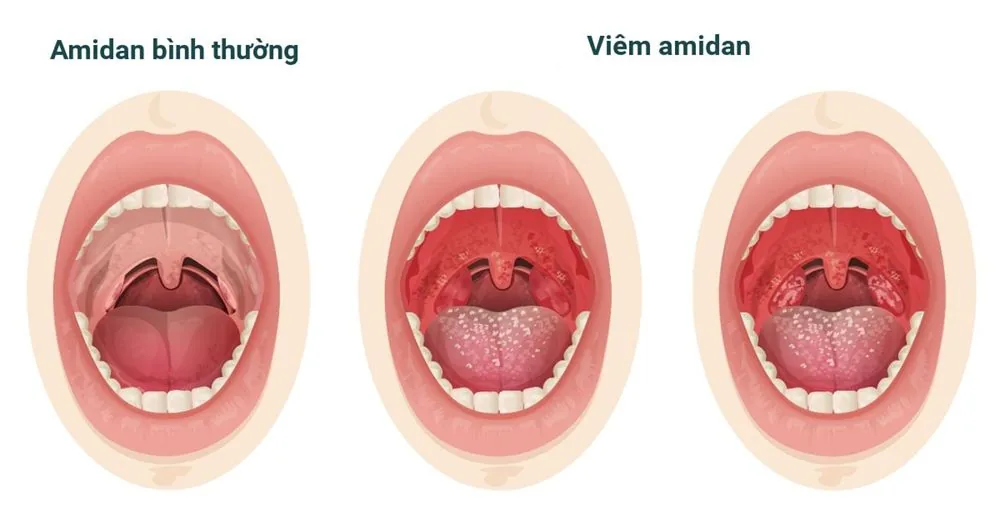
- The tonsils are lymphoid tissue aggregates situated bilaterally within the pharynx.
- Tonsillitis is predominantly caused by viral infection or bacterial infection, particularly Group A Streptococcus.
- This condition is typically non-severe and can resolve spontaneously or respond well to a short regimen of oral antibiotics. Nonetheless, tonsillectomy may be indicated should the condition become persistent or recurrent.
Pharyngeal Ulcers
- Ulcerations may develop across the pharynx, vocal cords, or gastrointestinal tract.
- Etiologies include: viral infection or bacterial infection, pharyngeal mucosal injury, chemotherapy, and gastroesophageal acid reflux.
- Manifestations typically include: dysphagia or odynophagia (painful swallowing), white plaques in the throat, fever, chills, lymphadenopathy (swollen lymph nodes), and nausea.
Symptoms of a Sore Throat
Pharyngeal discomfort may manifest in various ways depending on the underlying pathology. Common clinical presentations categorized by cause include:
Common Cold or Influenza
- Sore throat (pharyngeal pain)
- Throat scratchiness and irritation
- Throat dryness
- Frequent sneezing

What Are the Manifestations of a Sore Throat?
- Rhinorrhea (runny nose)
- Headache and cough
- Fatigue
- Generalized myalgia (body aches)
- Chills
- Pyrexia (typically low-grade with a common cold, but higher and more acute with influenza)
Infectious Mononucleosis
- Sore throat (pharyngeal pain)
- Swollen lymph nodes (Lymphadenopathy)
- Profound exhaustion
- Pyrexia (Fever)
- Muscle aches
- General malaise
- Loss of appetite
- Cutaneous Rash
Streptococcal pharyngitis (Strep throat)
- Difficulty swallowing (Dysphagia)
- Red, inflamed throat accompanied by white or gray patches
- Swollen lymph nodes (Lymphadenopathy)
- Pyrexia (Fever)
- Chills
- Loss of appetite
- Nausea
- Unusual or altered taste sensation
- General malaise
– The contagious period varies according to the patient's clinical status. With viral infections, an individual may remain infectious until their fever subsides. In cases of streptococcal pharyngitis, bacterial transmission remains possible for approximately 24 hours after initiating antibiotic therapy.
– Clinical symptoms, including fever, typically peak within 3 to 5 days.
What are the most effective treatments for a sore throat?
– If your pharyngitis is viral in origin (such as influenza), antibiotics should not be used, as they are ineffective against viruses. The condition typically resolves spontaneously within 5 to 7 days; however, antiviral therapy may be evaluated when clinically indicated.
– Antibiotic therapy is strictly indicated only for sore throats attributed to:
- Streptococcal bacteria.
- Chlamydia or gonorrhea bacterial infections.
What therapeutic options are recommended for managing a sore throat?
– The following supportive home-care measures may offer gentle relief:
- Prioritize warm fluids and avoid cold beverages.
- Soothe throat discomfort by gargling regularly with warm saline solution.
- Employ a humidifier to maintain optimal air moisture and alleviate dryness.
- Ensure sufficient rest to support your body's restorative healing process.
- For pain relief and fever reduction, over-the-counter analgesics such as paracetamol or ibuprofen may be utilized. Medicated throat lozenges may also provide soothing comfort for localized irritation.
Preventive Care for Sore Throat
– Here are essential preventive measures to protect against uncomfortable throat irritation:
Avoid sharing food, beverages, and personal dining utensils with others.
- We advise minimizing close contact with individuals experiencing a sore throat.
- Practice frequent hand hygiene, particularly prior to dining and after coughing or sneezing.
- Cleanse your hands thoroughly using an alcohol-based hand sanitizer or mild soap and running water.
– This clinical guide presents a comprehensive overview of sore throat management. We trust these medical insights—covering underlying causes, symptoms, therapeutic protocols, and proactive prevention—will empower you to achieve prompt relief and optimal recovery.
Proactively protect your health with our experienced specialist doctors and advanced medical equipment.
📞 BOOK AN APPOINTMENT NOW: (+84) 28 2200 8686 – (+84) 901 295 399
⏰ Monday – Saturday: Morning 7:30 AM – 12:00 PM, Afternoon 1:30 PM – 5:00 PM | 24/7 Emergency: ((+84) 937 389 539)
💳 Full nationwide health insurance coverage & Direct billing for private insurance accepted