
Types of lung cancer, recognition, and effective prevention methods

Lung Cancer ...is among the most critical and widespread malignancies globally. It presents in distinct histological forms, predominantly non-small cell lung carcinoma and small cell lung carcinoma. While tobacco exposure is the predominant causative factor for both subtypes, exposure to other environmental carcinogens, such as asbestos and radon, also plays a consequential role. In this article, gaining insight into these lung cancer classifications is essential for facilitating early diagnosis, tailoring effective interventions, and optimizing patient survival rates.
Classifications of Lung Cancer
Lung Cancer ...is categorized into two primary histological classifications: small cell lung cancer (SCLC) and non-small cell lung cancer (NSCLC). Of these, non-small cell lung cancer represents the predominant form, accounting for the substantial majority of clinical cases. The specific classifications are delineated below:
Small Cell Lung Cancer (SCLC)
- Small cell lung cancer (SCLC) is a highly aggressive malignancy characterized by rapid progression, therapeutic resistance, and a marked propensity for distant systemic metastasis. Neoplastic cells are typically small in caliber and exhibit prominent nuclear features.
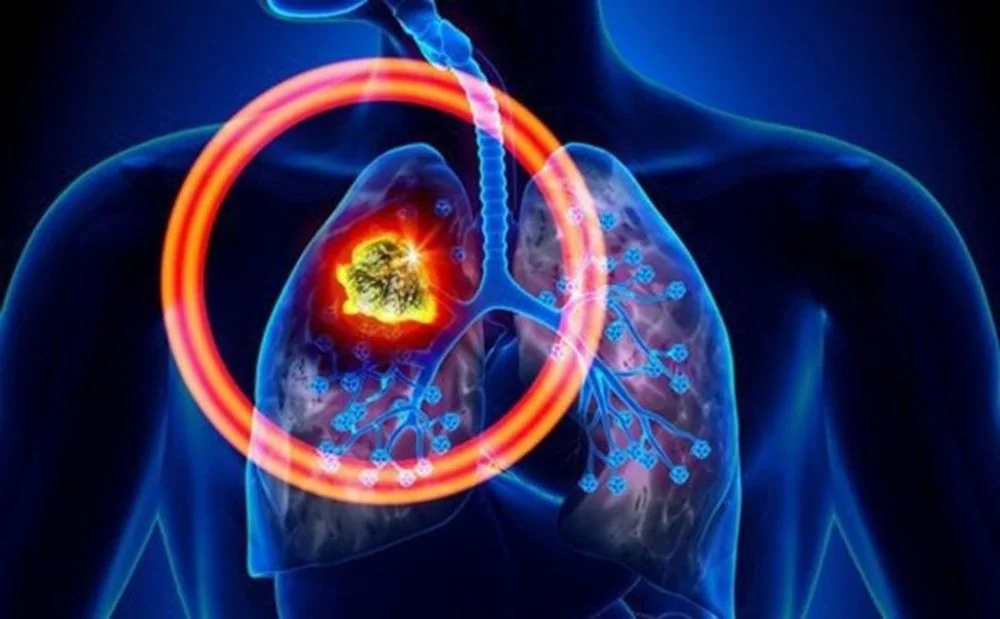
Small cell lung cancer is characterized by rapid progression, therapeutic complexity, and a high propensity for metastasis.
- The majority of small cell lung cancer cases are diagnosed at advanced stages, when clinical manifestations become overt. Common presentations of small cell lung cancer include dyspnea, persistent cough, thoracic pain, involuntary weight loss, and constitutional fatigue.
Non-Small Cell Lung Cancer (NSCLC)
- Non-small cell lung cancer (NSCLC) constitutes a broader and substantially more prevalent classification than small cell lung cancer. This malignancy generally follows a slower developmental trajectory, offering superior opportunities for definitive therapeutic success when diagnosed at an early stage.
- There are three primary histological subtypes of non-small cell lung cancer:
- Squamous cell carcinoma:This subtype develops near the major airways of the lungs. Given its central anatomical location adjacent to critical pulmonary structures, clinical manifestations typically emerge earlier than in other lung cancers. Common symptoms include dyspnea, hemoptysis, shoulder pain radiating down the arm, paresthesia in the hands, diaphoresis, and generalized fatigue. Furthermore, patients face an elevated risk of hypercalcemia, which may induce muscle weakness and cramping.
- Adenocarcinoma: Originating primarily in the peripheral pulmonary tissues, adenocarcinoma has shown a rising incidence in recent years. Of significant clinical concern, it typically presents with few early symptoms, complicating timely detection and frequently leading to diagnosis at an advanced stage where therapeutic management becomes considerably more challenging.
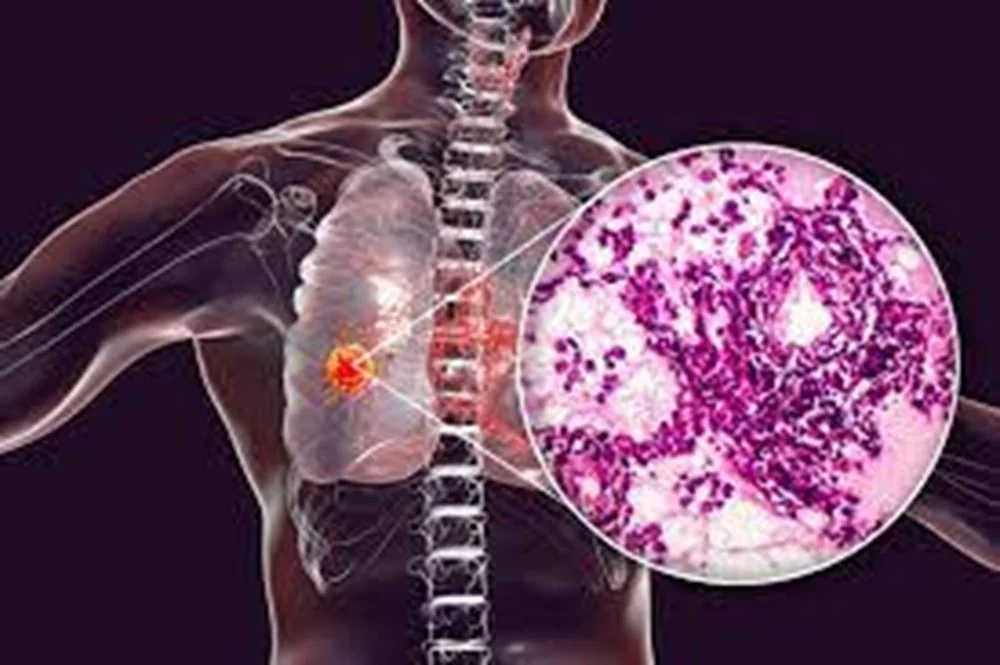
Adenocarcinoma is on the rise and is frequently diagnosed at an advanced stage.
- Large cell carcinoma: This represents an uncommon variant of non-small cell lung cancer. Malignant cells may appear across various regions of the lung and typically present substantial therapeutic challenges. Large cell carcinoma tends to advance more aggressively and carries a higher propensity for metastasis relative to other non-small cell subtypes. Common presentations include persistent fatigue, dyspnea, hemoptysis, chronic cough, and chest pain.
Lung Cancer Treatment Modalities
Standard therapeutic approaches for lung cancer encompass surgery, radiation therapy, chemotherapy, and targeted therapy. An individualized treatment protocol is curated by the medical team based on each patient's specific presentation. Below are the primary modalities employed:
- Surgical Procedure: This modality is primarily indicated for patients diagnosed at an early stage, where the tumor remains confined without involvement of the mediastinum, contralateral lung, or distant sites. Surgical intervention may range from sublobar resection or lobectomy to, in more extensive cases, bilobectomy or complete pneumonectomy.
- Radiation therapy: This modality utilizes high-energy ionizing radiation to precisely target and eradicate cancer cells. Radiation therapy may be applied as a definitive monotherapy or in conjunction with surgery to achieve optimal therapeutic outcomes.
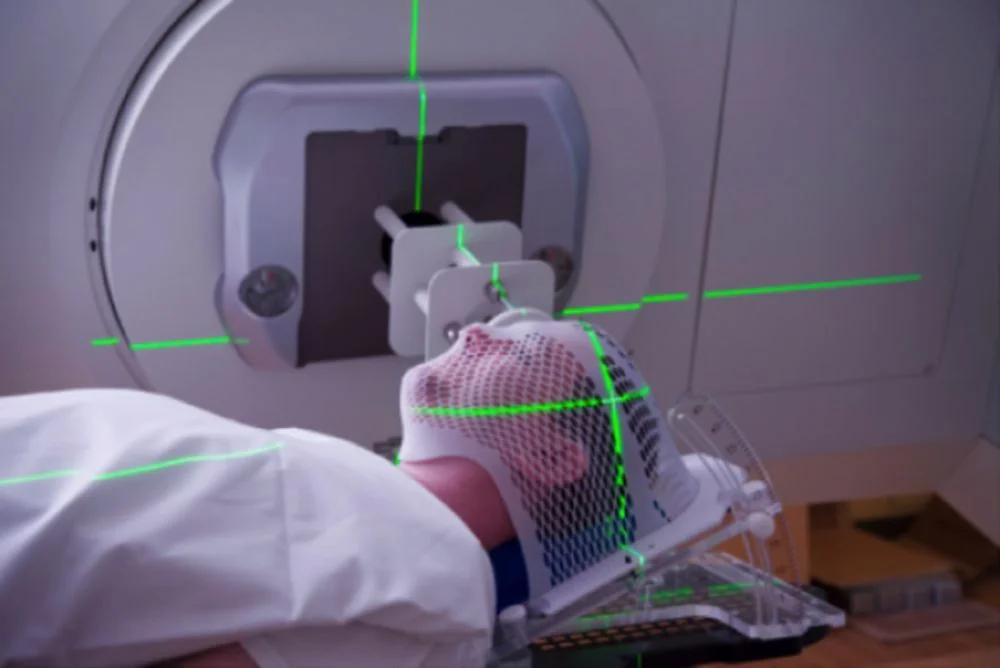
Radiation therapy is a therapeutic modality that utilizes high-energy ionizing radiation.
- Chemotherapy: Chemotherapy utilizes pharmacological agents to target and eliminate malignant lung cells throughout the body. In select cases, neoadjuvant chemotherapy is administered prior to surgery to downsize the tumor burden or limit systemic progression.
- Targeted therapy: This approach specifically targets malignant cells while preserving healthy tissues. Targeted therapy is commonly utilized in cases of metastatic lung cancer or where resistance to conventional treatments has emerged.
In the case of non-small cell lung cancer:
- When identified at an early stage, surgical resection is typically performed as the primary intervention, followed by adjuvant chemotherapy and/or radiation therapy to eradicate any microscopic residual disease.
- For patients diagnosed at an advanced stage, a multimodal regimen combining radiation therapy, systemic chemotherapy, and comprehensive palliative care is instituted to manage disease progression and optimize quality of life.
In the case of small cell lung cancer:
- Limited stage: Patients are typically managed with concurrent chemoradiotherapy.
- In extensive-stage disease, systemic chemotherapy remains the cornerstone of treatment. Nonetheless, palliative radiation therapy may be integrated in specialized circumstances, such as thoracic mass compression causing pain or intracranial metastases.
Preventive Strategies Against Lung Cancer
- To minimize the risk of lung cancer, please observe the following preventive protocols:
– Tobacco Cessation: Tobacco smoking is the foremost cause of lung cancer. We strongly encourage committing to complete smoking cessation and diligently avoiding exposure to secondhand smoke.

Tobacco smoking remains the leading cause of lung cancer
– Safeguarding Pulmonary Health: To protect your pulmonary health from harmful environmental factors, please implement the following measures:
- Wear a protective mask outdoors, particularly when traversing areas with poor air quality or elevated levels of respiratory irritants.
- Regularly cleanse and ventilate living spaces and bedrooms to minimize the accumulation of airborne dust, pathogens, and environmental allergens.
- Incorporate indoor plants and surrounding greenery to naturally enrich oxygen levels and support air purification.
– Minimizing Exposure to Hazardous Chemicals: Vigilantly avoid contact with toxic chemicals and known carcinogens such as radon and asbestos. For occupational roles that involve potential exposure, strictly comply with workplace safety standards and utilize certified personal protective equipment.
– Sustaining a Balanced Diet and Physical Regimen: Adopt a wholesome diet rich in fresh vegetables, fruits, and dietary fiber while curtailing your intake of saturated fats, sodium, and refined sugars. Complement this with regular physical activity to sustain optimal vitality.
– Timely Clinical Evaluation for Warning Signs: Should you notice persistent symptoms such as a chronic dry cough, dyspnea, or hemoptysis (coughing up blood), prompt medical consultation is essential. Early detection and intervention in the initial stages significantly improve clinical outcomes and survival rates.
– Physician-Guided Lung Cancer Screening: Individuals at high risk—including long-term tobacco users, those with occupational exposure to carcinogens, or those with a personal or familial history of thoracic malignancy—should undergo physician-guided lung cancer screenings. This protocol entails routine diagnostic imaging and tests to identify any early oncological developments.
- While lung cancer remains a grave condition, various forms of the disease can be proactively prevented and intercepted. By discontinuing tobacco use, preserving pulmonary health, eliminating exposure to environmental carcinogens, and upholding a disciplined, wholesome lifestyle, we can substantially diminish the incidence of lung cancer.
- Place your health at the pinnacle of your priorities and practice attentive self-care to enjoy an inspired life, unburdened by lung cancer.
Proactively protect your health with our experienced specialist doctors and advanced medical equipment.
📞 BOOK AN APPOINTMENT NOW: (+84) 28 2200 8686 – (+84) 901 295 399
⏰ Monday – Saturday: Morning 7:30 AM – 12:00 PM, Afternoon 1:30 PM – 5:00 PM | 24/7 Emergency: ((+84) 937 389 539)
💳 Full nationwide health insurance coverage & Direct billing for private insurance accepted